
















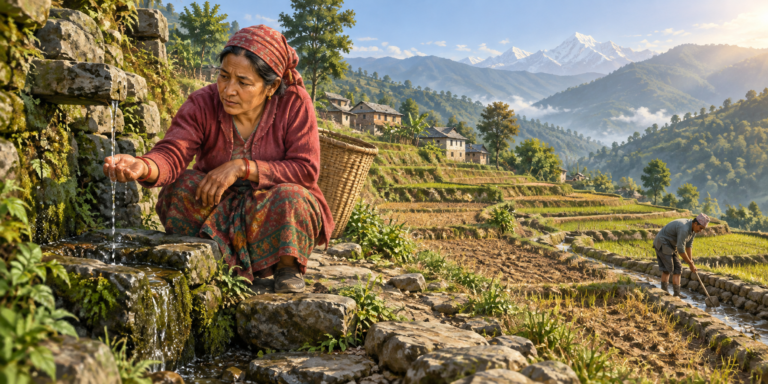

A farmer may not use terms such as “climate adaptation,” but they can tell when a spring is producing less water than it once did. They notice when rain arrives at the wrong time, when unfamiliar pests damage crops or when a hillside becomes more likely to collapse.
This kind of knowledge comes from living and working in the same place for years. According to researchers who studied climate planning in Nepal, it could also play an important role in helping communities prepare for a changing climate.
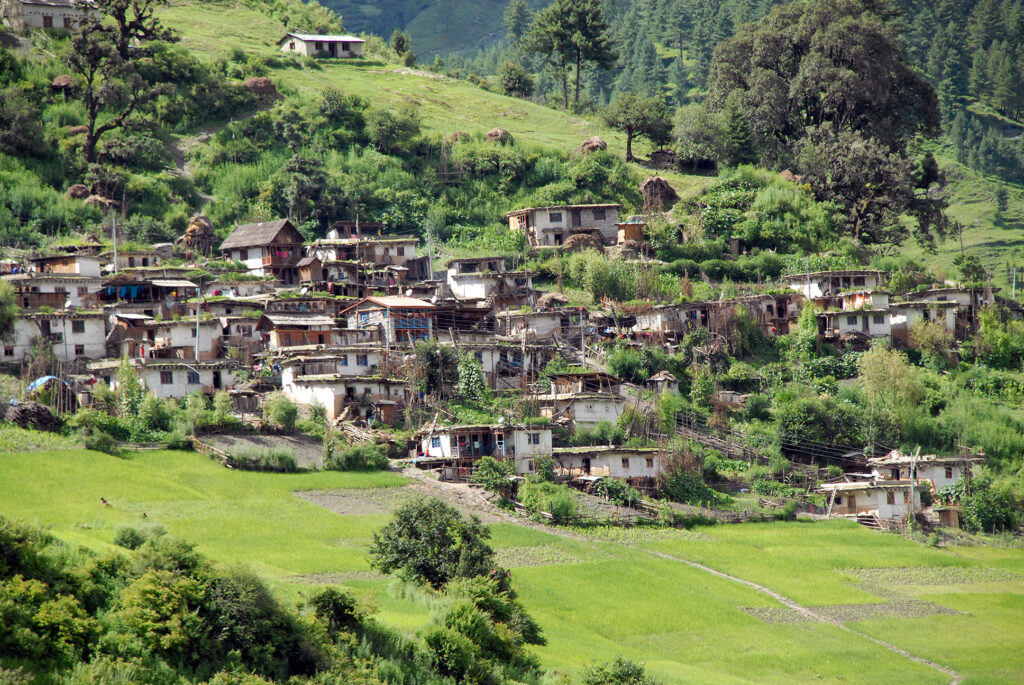
Learning From the People Who Experience It
Rajiv Ghimire of the University of Michigan and Netra Chhetri of Arizona State University examined Nepal’s Local Adaptation Plans of Action, commonly known as LAPA.
The LAPA initiative was created to connect Nepal’s national climate policies with the actual needs of local communities. Instead of applying the same solution everywhere, communities help identify the environmental changes affecting them and suggest practical ways to respond.
The researchers studied 65 local adaptation plans from 11 districts in the Gandaki River Basin. These districts included communities in Nepal’s mountains, hills and Terai. They also interviewed 60 people involved in climate planning and implementation.
The study found that community members were already seeing changes around them. They reported drying water sources, lower groundwater levels, drought, unusual rainfall, crop diseases, forest fires, invasive plants, landslides and floods.
These were not distant predictions about what might happen decades from now. They were changes people said they were already experiencing in their daily lives.
Many Solutions Were Not New
One of the most interesting findings was that many of the proposed climate solutions were not entirely new.
Around 78 percent of the local respondents said the activities included in their adaptation plans were already happening in their communities.
These included conserving water sources, maintaining drinking-water systems, improving irrigation, planting trees, protecting forests, using improved seeds and learning new farming techniques. Some plans also included embankments, early-warning systems and water-harvesting ponds.
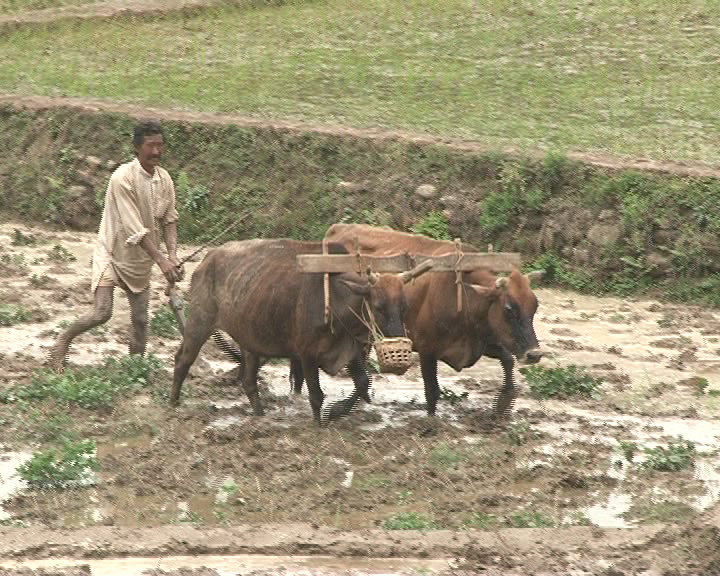
In other words, communities were not always waiting for outside experts to tell them what to do. In many cases, they had already started adjusting to changing conditions through everyday experience.
Nepal has several well-known examples of this kind of community-led action. Farmer-managed irrigation systems, community forests, local cooperatives and female community health volunteers have all helped people respond to local challenges.
The researchers suggest that climate planning can become more effective when it builds on these existing systems instead of overlooking them.
A Good Plan Is Not Enough
Recognizing local knowledge is only one part of the solution. Putting a plan into action can be much more difficult.
Although most respondents considered local adaptation planning important, 58 percent said implementing the plans was not easy.
The biggest barriers included a lack of money, limited government support and insufficient recognition of local knowledge. Many respondents were also unaware of any effort to update their local climate plans after they were prepared.
Who gets heard during the planning process matters as well.
Women’s participation was officially described as strong, but women interviewed for the study gave more mixed responses. The researchers found that men held most of the leadership positions on committees, even though women’s groups were making important contributions at the community level.
People from marginalized communities also had less power and fewer resources to influence decisions.
A meeting may technically include everyone, but that does not necessarily mean everyone has an equal voice.
Local Knowledge and Science Must Work Together
Local knowledge should not replace scientific research, modern forecasting or strong infrastructure. Communities cannot prepare for increasingly severe floods, droughts and landslides through experience alone.
At the same time, a plan developed far away may fail if it does not reflect how people actually farm, collect water, protect forests or manage risks in a particular place.
The best approach is to bring both sides together.
Scientists and government agencies can provide climate data, forecasting, technology and financial support. Local residents can explain what is changing, which solutions are realistic and who within the community is most at risk.
This combination can produce plans that look good on paper and also work in everyday life.
Nepal’s villages may not have every answer to climate change. But the people living closest to the land often notice changes before those changes appear in official reports.
Listening to them is not simply about respecting tradition. It could help Nepal make smarter and more practical decisions about its future.
Sources: The research paper, “Challenges and Prospects of Local Adaptation Plans of Action Initiative in Nepal as Everyday Adaptation”, was published in Ecology and Society in 2022. The findings were recently highlighted by the University of Michigan.

0 Comments